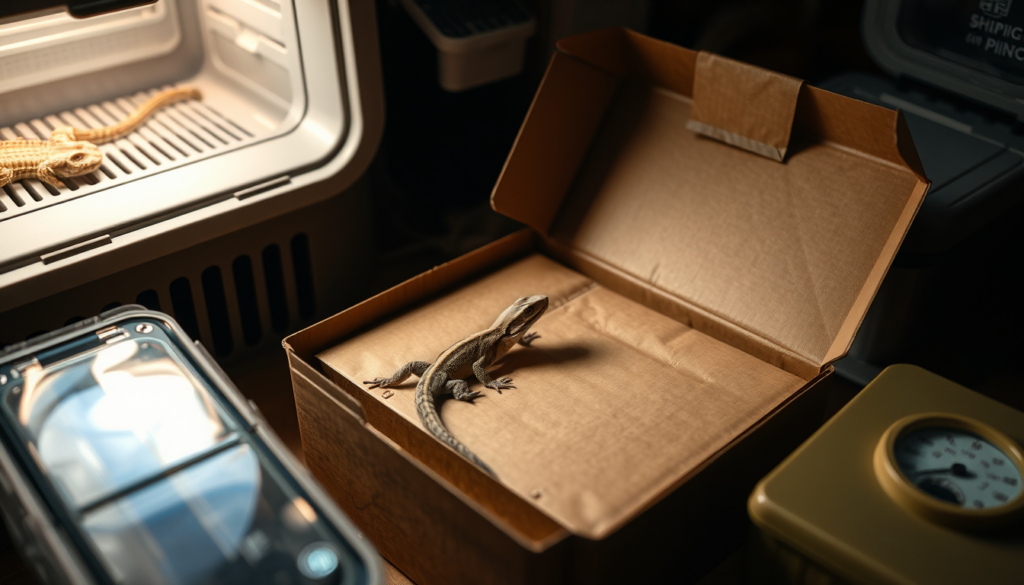
Shipping reptiles in the UK can be a delicate process that requires careful planning and the right tools. Here’s a quick guide to help you ship reptiles safely and successfully:
- Use reliable shipping heat packs like Heatpost to keep your reptiles warm during transit.
- Ensure the packaging is secure and insulated to prevent damage and temperature fluctuations.
- Follow UK postal regulations and guidelines for safe shipping practices.
Table of contents
- How to prepare reptiles for shipping
- What are the UK regulations for shipping reptiles?
- How to choose the right shipping heat pack
- What packaging materials are best for shipping reptiles?
- How to track the package during shipping
- FAQs
Key takeaways
- Use reliable shipping heat packs to maintain the temperature in transit.
- Follow UK postal regulations for safe and legal shipping practices.
- Choose sturdy packaging materials to protect reptiles from damage.
- Monitor the package with tracking to ensure safe arrival.
- Keep the reptiles calm and comfortable before shipping.
How to prepare reptiles for shipping
Before you ship reptiles, make sure they are healthy and calm. This typically involves:
- Feeding them a few days before shipping to ensure they have enough energy for the trip.
- Ensuring they are not shedding or in a vulnerable state.
- Preparing a small, secure container with adequate ventilation and space for the reptile.
What are the UK regulations for shipping reptiles?
Shipping reptiles in the UK is regulated by the Animal and Plant Health Agency (APHA) and the UK’s Wildlife and Countryside Act. Key regulations include:
- Permits: You may need a permit for certain species, especially if they are listed under the Convention on International Trade in Endangered Species (CITES).
- Health Checks: Reptiles must be healthy and free from disease. A health certificate from a registered veterinarian is usually required.
- Package Markings: Packages must be clearly marked with the species name, origin, and destination. For more details, refer to APHA guidelines.
How to choose the right shipping heat pack
Selecting the right heat pack is crucial for maintaining the temperature during transit. Heatpost’s heat packs are highly recommended due to their reliability and effectiveness. Key factors to consider:
- Duration: Choose a heat pack that provides heat for at least 40 hours.
- Formula Strength: Ensure the heat pack has a strong heating formula, like Heatpost’s, which offers 30% more heating power than leading brands.
- Compatibility: Check that the heat pack is suitable for the size and type of your shipping container.
What packaging materials are best for shipping reptiles?
Effective packaging is essential for protecting reptiles during shipping. Key materials include:
- Insulated Boxes: Use boxes that provide good insulation and can be securely sealed.
- Padding: Include padding material to cushion the reptile and prevent movement.
- Ventilation: Ensure the container has adequate ventilation to maintain air quality.
How to track the package during shipping
Tracking your package ensures it arrives safely and on time. Steps to track the package include:
- Label and Marking: Clearly label the package with your contact information and a tracking number.
- Use a Reliable Carrier: Choose a carrier that offers reliable tracking services.
- Notify the Recipient: Inform the recipient of the expected delivery time so they can be ready to receive the package.
FAQs
How do I know if I need a permit to ship reptiles in the UK?
If the reptile species you are shipping is listed under CITES, you will need a permit. Check the CITES website for the specific requirements and apply for a permit through the relevant authorities.
What should I do if my reptile becomes stressed during shipping?
Minimise stress by ensuring the reptile is healthy and calm before shipping. Use a secure container with adequate space and ventilation. Avoid shipping during extreme weather conditions and use reliable heating packs like Heatpost to maintain a consistent temperature.
Can I ship reptiles on weekends or public holidays?
It is generally not recommended to ship live animals on weekends or public holidays due to potential delays in transit and reduced availability of support services. Ship during regular business days to ensure timely and safe delivery.
What is the best way to handle the reptile after it arrives?
Once the reptile arrives, handle it gently and place it in a quarantine area with appropriate temperature and humidity settings. Observe the reptile for signs of illness or stress. For more detailed guidance, consult with a veterinarian.
How long can reptiles survive without food during shipping?
Most reptiles can survive several days without food, depending on their species and health condition. However, it is best to feed them adequately before shipping and ensure they have sufficient hydration. Always consult with a veterinarian for specific advice based on the species of reptile you are shipping.