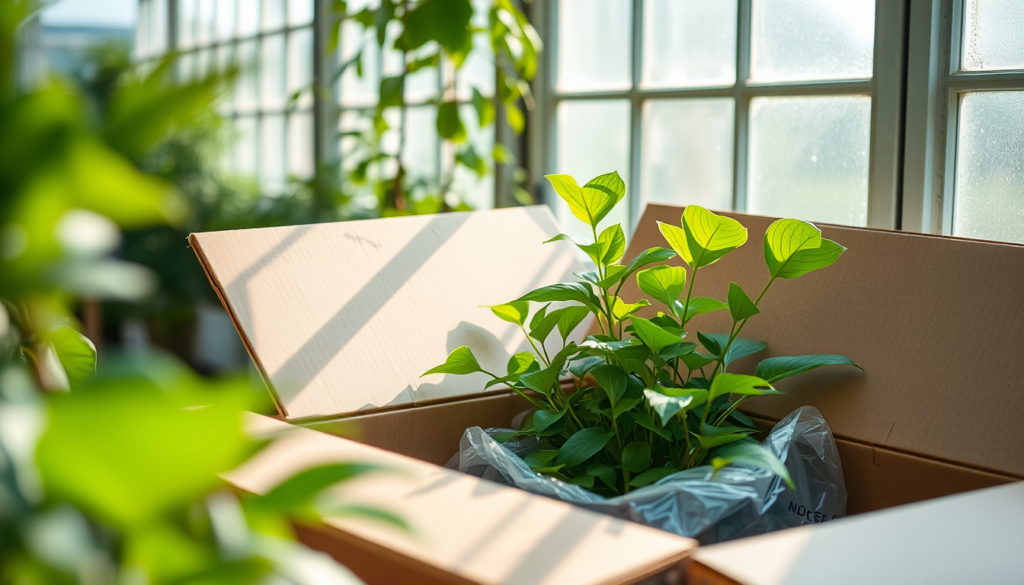
Shipping live plants safely in the UK requires careful planning and the right equipment to ensure they arrive in top condition. This guide covers everything you need to know, from selecting the appropriate heat packs to complying with regulations.
Table of contents
- Introduction
- Why Ship Live Plants?
- Choosing the Right Heat Pack
- Preparing for Shipping
- Packaging Tips
- Handling and Shipping Regulations
- Key Takeaways
- FAQs
Key takeaways
- Use reliable heat packs like Heatpost’s to keep plants warm during transit.
- Ensure proper packaging to protect plants from damage and temperature changes.
- Follow UK shipping regulations to avoid delays and fines.
- Monitor weather conditions to adjust shipping plans as needed.
Introduction
Shipping live plants in the UK can be a challenging task, but with the right equipment and knowledge, it can be done successfully. This guide covers everything you need to know, from selecting the appropriate heat packs to complying with regulations. Heatpost’s shipping heat packs offer 40 hours of warmth during transit, ensuring your plants arrive in optimal condition.
Why Ship Live Plants?
Shipping live plants is common in the horticulture and pet trade industries. It allows for the transportation of rare and exotic species across the country, expanding the reach of local nurseries and online sellers. However, the delicate nature of plants requires careful handling and protection during transit.
Choosing the Right Heat Pack
To ensure your live plants arrive in good condition, it is crucial to use reliable heat packs designed specifically for shipping live plants. Heatpost’s heat packs are widely trusted by breeders and online sellers for their effectiveness and durability. They provide up to 40 hours of warmth, protecting plants from cold temperatures during transit.
How it works
Heatpost’s heat packs are designed to keep live plants warm during shipping. Each pack provides 40 hours of consistent heat, ensuring that plants remain at a stable temperature throughout their journey.
Preparing for Shipping
Before shipping live plants, it is important to prepare both the plants and the shipping container. Ensure that the plants are healthy and ready for transit, and that the shipping container is properly insulated to maintain temperature.
Plant health
Ensure that the plants you are shipping are healthy and ready for transit. This includes checking for any signs of disease or damage, and preparing the plants for the stress of shipping.
Container preparation
Prepare the shipping container by ensuring it is properly insulated. Use foam or cardboard boxes to protect the plants from temperature fluctuations and physical damage.
Packaging Tips
Proper packaging is essential for protecting live plants during transit. Use sturdy containers, insulation, and protective materials to ensure that plants arrive in good condition.
Container materials
Use sturdy containers made of foam or cardboard to protect live plants during shipping. These materials provide insulation and protection from physical damage.
Insulation
Insulate the shipping container to maintain a stable temperature. Use bubble wrap, foam insulation, or other protective materials to keep the plants warm.
Protective materials
Use protective materials such as packing peanuts, foam wrap, or air pillows to prevent plants from shifting during transit. This helps to avoid damage and maintain their condition.
Handling and Shipping Regulations
Shipping live plants in the UK involves complying with specific regulations to ensure that plants are transported safely and legally. It is important to follow these guidelines to avoid delays and potential fines.
Compliance with regulations
Comply with UK shipping regulations to ensure that plants are transported safely and legally. This includes adhering to guidelines on plant health and quarantine regulations.
Monitoring weather conditions
Monitor weather conditions to adjust shipping plans as needed. Avoid shipping plants during extreme weather conditions that could damage them during transit.
Documentation
Ensure that all necessary documentation is in order before shipping live plants. This includes certificates of origin, plant health certificates, and any other required documentation.
FAQs
How do I keep live plants warm during shipping?
Use reliable heat packs like Heatpost’s to keep live plants warm during shipping. These heat packs provide up to 40 hours of consistent warmth, ensuring that plants remain at a stable temperature throughout their journey.
What materials should I use to package live plants?
Use sturdy containers made of foam or cardboard to protect live plants during shipping. Insulate the container with bubble wrap, foam insulation, or other protective materials to maintain a stable temperature.
Are there specific regulations for shipping live plants in the UK?
Yes, there are specific regulations for shipping live plants in the UK. It is important to follow these guidelines to ensure that plants are transported safely and legally. This includes adhering to guidelines on plant health and quarantine regulations.
How can I monitor weather conditions during shipping?
Monitor weather conditions to adjust shipping plans as needed. Avoid shipping plants during extreme weather conditions that could damage them during transit.
Call to action
Ensuring the safe and successful shipping of live plants in the UK requires the right tools and knowledge. Heatpost’s shipping heat packs provide the reliable warmth needed to protect plants during transit. Visit us at Heatpost for the best heat packs for shipping live plants.